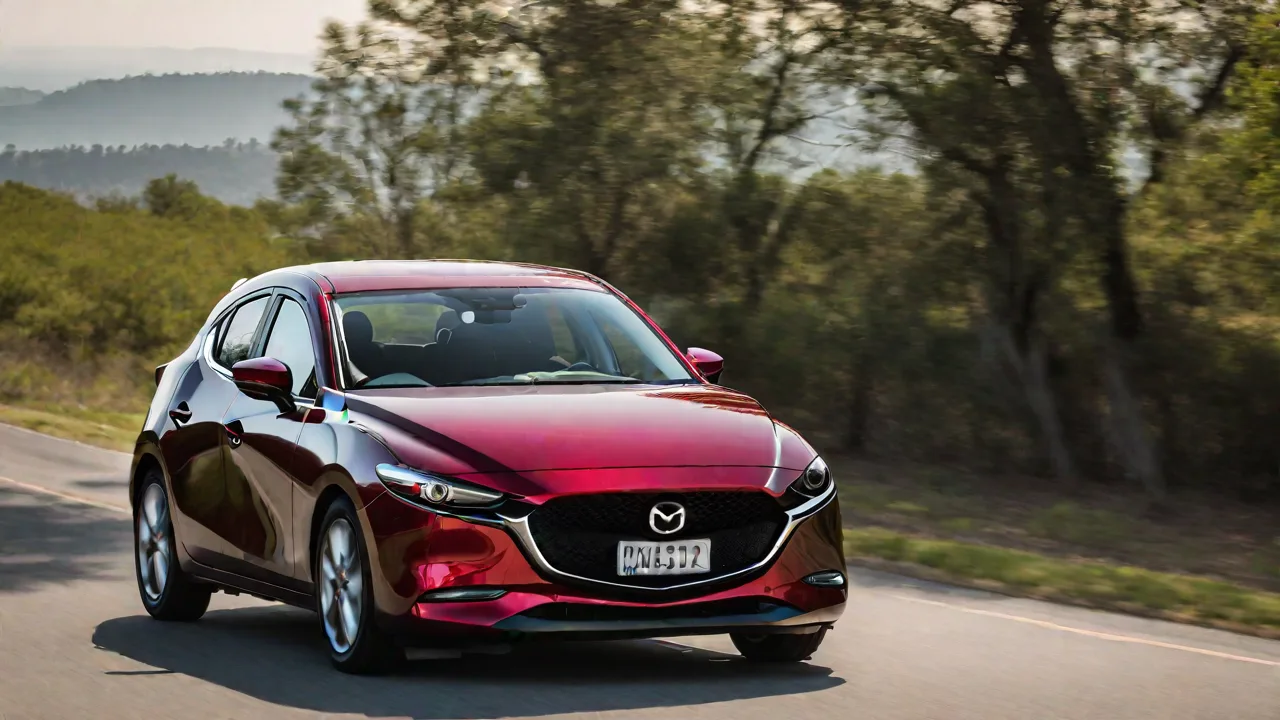
How Everyday Mazda Owners Can Improve Cabin Air Quality in the Mazda3 Hatchback
Maintaining excellent cabin air quality in your Mazda3 Hatchback is not only vital for your comfort but also for your overall health and well-being during every journey. Whether you’re commuting to work, running errands, or embarking on a road trip, the air you breathe inside your vehicle can significantly impact your driving experience. Everyday Mazda owners have a range of practical and effective strategies at their disposal to keep the interior atmosphere of their Mazda3 fresh, clean, and free from harmful pollutants.
The Importance of Cabin Air Quality in Your Mazda3 Hatchback
Modern vehicles like the Mazda3 Hatchback are designed with advanced ventilation and filtration systems. Despite this, the air inside a car can still accumulate dust, pollen, mold spores, vehicle exhaust fumes, and other airborne contaminants that may trigger allergies, respiratory issues, or simply create an unpleasant environment. Improving cabin air quality can enhance driver alertness, reduce fatigue, and provide a more enjoyable ride for all passengers.
Several sources contribute to poor cabin air quality, including:
- External pollutants such as smog, dust, and exhaust gases entering through ventilation.
- Internal contaminants like dust, pet dander, and particles from upholstery and carpets.
- Microbial growth in air conditioning systems if not properly maintained.
- Odors from food, smoke, or chemicals introduced inside the vehicle.
Understanding these factors empowers Mazda3 Hatchback owners to take targeted actions to improve the air they breathe inside their car.
Regular Cabin Air Filter Replacement: The First Line of Defense
The cabin air filter is a critical component in your Mazda3’s HVAC (Heating, Ventilation, and Air Conditioning) system. It acts as a shield by trapping airborne particles such as dust, pollen, mold spores, and other pollutants before they enter the cabin through the ventilation system.
When and How to Replace the Cabin Air Filter
Mazda generally recommends replacing the cabin air filter every 12,000 to 15,000 miles, or approximately once a year under average driving conditions. However, if you frequently drive in areas with heavy traffic, construction zones, or dusty environments, more frequent replacements may be necessary.
Replacing the cabin air filter is a relatively simple maintenance task that can often be done without professional assistance. In the Mazda3 Hatchback, the cabin air filter is typically located behind the glove box or under the dashboard. Consult your owner’s manual for precise instructions and safety precautions.
Steps for replacement generally include:
- Opening the glove box and removing any contents.
- Detaching the glove box by releasing the stops or screws.
- Accessing the filter compartment cover and carefully removing the old filter.
- Installing the new filter in the correct orientation, ensuring proper airflow direction.
- Reassembling the glove box and securing all components.
Signs It’s Time to Replace Your Cabin Air Filter
Besides mileage and time intervals, watch for these indicators that your cabin air filter needs replacement:
- Reduced airflow from the vents.
- An unpleasant or musty odor when the AC or heater is running.
- Increased dust accumulation on the dashboard and interior surfaces.
- Frequent sneezing, coughing, or allergy symptoms inside the car.
Maintaining a clean cabin air filter ensures that your Mazda3’s HVAC system works efficiently, providing clean air and preventing strain on the blower motor.
Optimizing Mazda’s Climate Control System for Clean Air
The Mazda3 Hatchback comes equipped with an advanced climate control system that offers various settings to regulate temperature, humidity, and air circulation. Leveraging these features effectively can help minimize the infiltration of outdoor pollutants and maintain a comfortable cabin environment.
Understanding Air Recirculation Mode
One of the most useful features for improving cabin air quality is the “recirculation mode.” When activated, this mode closes off fresh air intake from outside and recirculates the air already inside the vehicle. This is especially beneficial in situations where the outside air quality is poor, such as:
- Driving through heavy traffic or congested urban areas.
- Passing through tunnels or construction zones.
- Encountering areas with high pollen counts or industrial pollution.
Using recirculation mode during these conditions helps reduce the entry of harmful pollutants, dust, and odors, thus protecting passengers’ respiratory health.
Balancing Recirculation and Fresh Air Intake
While recirculation mode is helpful, it’s important not to use it exclusively for extended periods, as it can cause the air inside to become stale and humid. To maintain optimal air quality:
- Switch between fresh air intake and recirculation modes regularly, especially during longer trips.
- Use the automatic climate control feature, which adjusts airflow and temperature settings intelligently based on cabin conditions.
- Monitor humidity levels and use the air conditioning system to dehumidify air, which helps prevent window fogging and inhibits mold growth.
Utilizing the Mazda3’s Air Conditioning and Heating Features
The air conditioning system not only cools the cabin but also helps remove moisture from the air, improving comfort and reducing the risk of mold and mildew inside the ventilation ducts. Similarly, using the heater during colder months helps maintain a dry cabin environment.
Regularly running the climate control system, even in mild weather, helps keep the system lubricated and prevents stale odors from developing. Additionally, avoid turning off the AC completely during humid weather, as this can lead to condensation buildup.
Additional Tips to Enhance Cabin Air Quality
Beyond maintenance of the air filter and smart use of climate control, Mazda3 Hatchback owners can adopt several lifestyle practices to further improve the air they breathe inside their vehicle.
Keep Windows Closed in High Pollution Zones
While fresh air is generally desirable, opening your windows in areas with heavy traffic, industrial emissions, or road dust can allow pollutants to enter the cabin. Keeping windows closed during these times, combined with recirculation mode, helps create a cleaner and safer environment.
Regular Interior Cleaning to Reduce Dust and Allergens
Dust, pet dander, pollen, and other allergens can accumulate on seats, carpets, and dashboard surfaces. Regular vacuuming and wiping down interior surfaces with appropriate cleaning agents help reduce these irritants.
Consider these cleaning tips:
- Vacuum carpets and upholstery weekly to remove embedded particles.
- Use microfiber cloths dampened slightly with water or mild cleaning solutions for dusting.
- Clean air vents gently with soft brushes or compressed air to dislodge dust buildup.
- Remove trash and food debris promptly to avoid odors and pest attraction.
Avoid Smoking Inside the Vehicle
Tobacco smoke contains thousands of harmful chemicals and leaves lingering odors and residues that penetrate upholstery and ventilation ducts. Smoking inside your Mazda3 Hatchback significantly degrades cabin air quality and can cause discomfort to passengers.
If smoking is unavoidable, consider stepping outside the vehicle and allow ample time for the interior to air out before driving again.
Use Natural Air Fresheners and Avoid Chemical Irritants
Many commercial air fresheners release volatile organic compounds (VOCs) and other chemicals that may irritate sensitive individuals or worsen indoor air quality. Instead, opt for natural alternatives such as:
- Activated charcoal bags that absorb odors.
- Sachets of dried herbs or essential oils like lavender or eucalyptus (used sparingly).
- Vent clips that release mild botanical scents without overwhelming the senses.
Always ensure any air freshener used does not obstruct ventilation or cause allergic reactions among passengers.
Address Moisture and Mold Prevention
Moisture accumulation inside the cabin can lead to mold and mildew growth, which negatively impacts air quality and can cause health issues. To prevent this:
- Check for leaks around windows, doors, and the sunroof and repair promptly.
- Dry wet floor mats and upholstery immediately after exposure to rain or spills.
- Use moisture absorbers or silica gel packets in humid climates.
- Run the air conditioning or heater regularly to minimize humidity buildup.
Professional Cabin Air Quality Services and Upgrades
For Mazda3 Hatchback owners seeking an even higher level of cabin air quality, professional services and aftermarket upgrades are available.
HVAC System Cleaning and Disinfection
Over time, the HVAC system can harbor mold, bacteria, and unpleasant odors. Many automotive service centers offer specialized cleaning and disinfection treatments that:
- Remove microbial buildup inside air ducts and vents.
- Eliminate musty or stale odors.
- Enhance overall air freshness and reduce allergy triggers.
Scheduling these services annually or biannually can maintain peak air quality and system performance.
Upgraded Cabin Air Filters
While Mazda provides high-quality OEM cabin air filters, aftermarket options with enhanced filtration capabilities exist. These may include:
- HEPA (High-Efficiency Particulate Air) filters that capture finer particles.
- Activated carbon filters that absorb odors and gaseous pollutants.
- Filters with antimicrobial coatings to inhibit mold and bacteria growth.
Before installing aftermarket filters, verify compatibility with your Mazda3 model and consult with a trusted technician to ensure proper fit and function.
Air Purifiers and Ionizers
Portable air purifiers or ionizers designed for automotive use can supplement the built-in filtration system by continuously cleaning the air inside the cabin. These devices can:
- Reduce allergens, dust, and smoke particles.
- Neutralize odors and airborne bacteria.
- Provide an extra layer of protection for sensitive passengers.
When selecting an air purifier, consider size, noise levels, power consumption, and maintenance requirements.
Conclusion: Creating a Healthier Driving Environment in Your Mazda3 Hatchback
Improving and maintaining cabin air quality in your Mazda3 Hatchback is a multifaceted process involving regular maintenance, smart use of vehicle features, and lifestyle choices. By replacing the cabin air filter on schedule, utilizing the climate control system effectively, and adopting habits that reduce pollutant introduction, you can ensure a cleaner, fresher, and healthier interior atmosphere.
Additional measures like professional HVAC cleaning, upgrading to advanced filters, and using natural air fresheners further enhance your driving experience. These efforts contribute not only to your comfort but also to the well-being of all passengers, making every journey in your Mazda3 Hatchback safer and more enjoyable.
Remember, the cabin of your vehicle is your personal sanctuary on the road. Taking proactive steps to maintain its air quality reflects the same care and attention to detail that Mazda incorporates into every vehicle design.