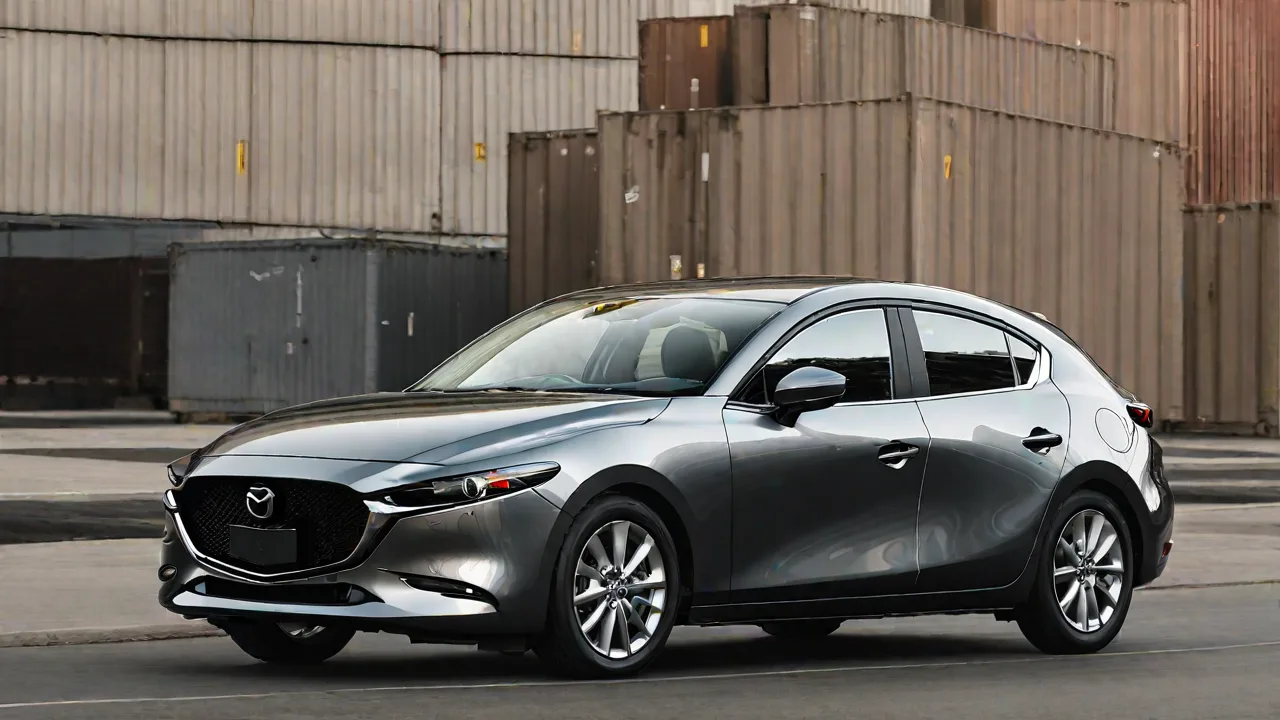
Everyday Mazda's Review of Mazda3 Sedan Safety Features and How to Use Them Effectively
The Mazda3 Sedan is a remarkable blend of style, performance, and advanced safety technology. Engineered to provide not only an enjoyable driving experience but also peace of mind, this vehicle incorporates a comprehensive suite of safety features designed to protect both the driver and passengers. By understanding these features in depth and learning how to use them effectively, you can maximize your safety on the road and enhance your overall driving confidence.
Comprehensive Overview of Mazda3 Sedan Safety Features
Mazda has equipped the Mazda3 Sedan with a sophisticated array of safety technologies, many of which are part of its proprietary i-Activsense® safety suite. This system integrates multiple sensors, cameras, and radar technologies to monitor the vehicle’s surroundings and provide real-time assistance. Here are some of the key features and what they do:
i-Activsense® Safety Technology
At the core of the Mazda3’s safety framework, i-Activsense® is designed to reduce the likelihood of accidents and mitigate their severity if they occur. It includes several important subsystems:
- Adaptive Cruise Control (Mazda Radar Cruise Control): Maintains a set speed while automatically adjusting to the speed of the vehicle ahead to keep a safe following distance. This feature is especially useful during highway driving or in stop-and-go traffic.
- Lane Departure Warning System (LDWS): Alerts you if the vehicle unintentionally drifts out of its lane without signaling, helping to prevent potential collisions caused by driver distraction or drowsiness.
- Lane-Keep Assist System (LAS): Works in conjunction with LDWS by gently steering the vehicle back into its lane if it begins to drift, providing an added layer of corrective control.
- Blind Spot Monitoring (BSM): Uses radar sensors to detect vehicles in adjacent lanes that may be in your blind spots. Visual indicators illuminate in the side mirrors to warn you before changing lanes, reducing the risk of side collisions.
- Driver Attention Alert (DAA): Monitors driving patterns and detects signs of fatigue or inattention, prompting the driver to take a break when necessary.
Smart Brake Support (SBS)
Smart Brake Support is a critical safety feature that automatically applies the brakes if the system detects a potential frontal collision and the driver has not reacted in time. It monitors the distance to vehicles or obstacles ahead using radar and camera sensors, helping to avoid or reduce the impact of accidents. This system is effective in both city traffic and highway scenarios.
Rear Cross Traffic Alert (RCTA)
Backing out of parking spaces can be risky due to limited visibility. Rear Cross Traffic Alert helps by warning the driver of approaching vehicles from either side when reversing. This feature uses radar sensors located at the rear corners of the vehicle and provides audible and visual alerts, making parking lot maneuvers safer.
High Beam Control (HBC)
Driving at night is made safer and more comfortable with Mazda’s High Beam Control system. It automatically switches between high and low beams based on surrounding lighting conditions and oncoming traffic. This prevents blinding other drivers while ensuring you have optimal road illumination.
Additional Safety Features
- Advanced Airbag System: The Mazda3 Sedan is equipped with front, side, and curtain airbags that deploy strategically to protect occupants during a collision.
- Dynamic Stability Control (DSC): Helps maintain vehicle stability during sudden maneuvers or slippery conditions by adjusting engine output and applying brake force to individual wheels.
- Traction Control System (TCS): Prevents wheel spin during acceleration to improve grip and control on slippery surfaces.
- Rearview Camera: Provides a clear, wide-angle view behind the vehicle to assist with parking and reversing safely.
How to Use Mazda3 Sedan Safety Features Effectively
While advanced safety technologies can significantly enhance your driving safety, they are most effective when used correctly and in conjunction with attentive driving habits. Here are detailed steps and best practices to help you get the most out of your Mazda3’s safety systems:
1. Thoroughly Familiarize Yourself with the Owner’s Manual and In-Car Tutorials
Every safety system has specific operational parameters, alerts, and limitations. The Mazda3’s owner’s manual provides detailed explanations of each feature, including how to activate, adjust, or deactivate them as needed. Additionally, many Mazda vehicles include interactive tutorials accessible through the infotainment system, offering practical guidance on feature usage. Taking the time to explore these resources ensures you understand how each system functions and what to expect in various driving scenarios.
2. Customize Alert Settings for Personal Driving Preferences
Through the Mazda Connect infotainment interface, you can tailor settings such as alert volume, sensitivity levels, and activation conditions for different safety features. For example, you might adjust the lane departure warning’s sensitivity to reduce false alarms in certain driving environments or set adaptive cruise control parameters to maintain longer following distances. Customizing these settings helps the safety systems complement your driving style and reduce unnecessary distractions.
3. Always Keep Safety Systems Activated While Driving
These technologies are designed to provide continuous assistance and should remain activated during normal driving conditions. Disabling them could reduce your ability to detect hazards early or avoid collisions. However, be aware that some conditions—such as extreme weather, poor road markings, or heavy traffic—may affect system performance. Always remain vigilant and ready to take full control.
4. Maintain Full Attention and Situational Awareness
Safety systems are intended as supplements to your driving awareness, not replacements. Even with alerts and automatic interventions, you must maintain focus on the road, scan mirrors frequently, and anticipate potential hazards. Avoid distractions such as mobile devices, and be especially cautious in complex environments like construction zones or crowded urban streets.
5. Regularly Inspect and Clean Sensors and Cameras
The effectiveness of Mazda3’s safety features depends heavily on the condition of its sensors and cameras. Dirt, snow, ice, or debris can block or impair these devices, leading to reduced functionality or false warnings. Make it a habit to clean the sensor areas—such as the front grille, side mirrors, rear bumper, and windshield areas—especially after adverse weather or off-road driving. Additionally, schedule routine vehicle maintenance checks to ensure all safety components are functioning properly.
6. Practice Using Advanced Features in Safe Environments
Features like adaptive cruise control and lane-keep assist may feel unfamiliar at first. To build confidence, practice using these systems in low-traffic areas or on highways with light traffic where you can safely observe how the vehicle responds. This hands-on experience will help you better understand when and how to rely on these features during everyday driving.
7. Stay Updated with Mazda Recalls and Safety Notices
Automobile manufacturers periodically issue recalls or updates related to vehicle safety. Staying informed about any Mazda3 recalls or safety notices through authorized dealerships or official Mazda websites ensures that your vehicle’s safety systems remain up to date. Promptly addressing recalls can prevent potential safety risks and improve system reliability.
Real-World Benefits of Mazda3 Sedan Safety Features
The integration of these advanced safety technologies into the Mazda3 Sedan has tangible benefits that extend beyond technical specifications. Drivers report increased confidence during long highway trips, especially in heavy traffic or low visibility conditions. The assistance provided by adaptive cruise control reduces fatigue by automating speed regulation, while lane departure warnings help prevent unintended lane changes, a common cause of accidents.
Moreover, blind spot monitoring and rear cross traffic alerts are invaluable in urban settings and crowded parking lots, where visibility is often limited. These systems alert drivers to hazards that might otherwise go unnoticed, reducing the risk of collisions with other vehicles, cyclists, or pedestrians. High beam control enhances nighttime visibility safely, reducing eye strain during long drives after dark.
Insurance providers also recognize the value of such safety features, often offering discounts or incentives to Mazda3 owners who have these technologies installed, which can lead to cost savings over time.
Tips for Maximizing Overall Vehicle Safety
- Combine Safety Technologies with Defensive Driving: Use safety features as tools within a broader defensive driving strategy that includes anticipating other drivers’ actions and maintaining safe speeds.
- Ensure Proper Seating and Seatbelt Use: Always wear seatbelts correctly and ensure all passengers do the same. Proper seating position improves airbag effectiveness and sensor accuracy.
- Keep Tires and Brakes in Optimal Condition: Regularly check tire tread depth, pressure, and brake responsiveness to maintain stopping power and vehicle control.
- Be Mindful of Weather Conditions: Adjust your driving behavior and rely on vehicle safety features appropriately during rain, snow, fog, or icy conditions.
- Attend Mazda Safety Clinics or Workshops: Mazda dealerships or local driving schools may offer sessions to help drivers better understand and practice using advanced vehicle safety systems.
Conclusion: Driving Safer with Mazda3 Sedan
The Mazda3 Sedan’s comprehensive safety feature set underscores Mazda’s commitment to protecting drivers and passengers in a variety of driving environments. By fully understanding how these systems operate and adopting best practices for their use, you can significantly enhance your safety and enjoyment behind the wheel. Remember that technology complements, but does not replace, responsible driving habits.
Investing time in learning about your vehicle’s safety capabilities, maintaining your car properly, and staying alert on the road will help you get the most value out of your Mazda3 Sedan’s advanced safety technologies. Whether commuting to work, embarking on road trips, or navigating busy city streets, these features work together to provide an extra layer of awareness and protection, helping you arrive safely at your destination every time.